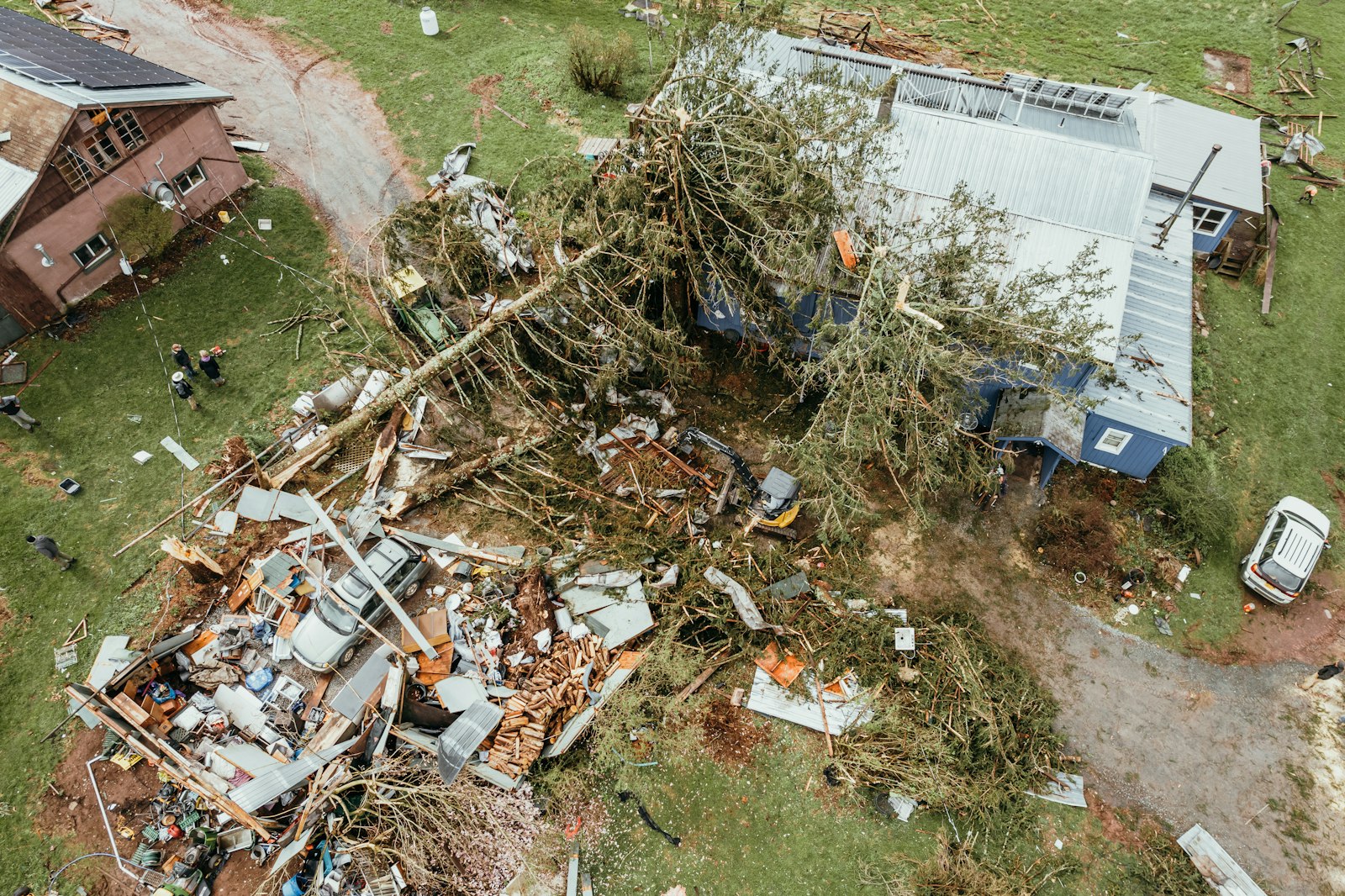
Storm damage marketing for roofers is decided in the 72 hours after the weather clears, and almost every part of what decides it gets built months earlier. The roofing companies that book the work are not the ones writing a landing page while the wind is still blowing. They are the ones who already had the page live, the campaign built and paused, the reviews stacked up, and somebody assigned to answer the phone.
Door knockers understand the timing better than most contractors do. They are on the street the same afternoon, in front of the homeowner before anyone else, closing at the door. You can beat them, but not by out-walking them. You beat them by being the name the homeowner searches, the ad sitting at the top of that search, and the company that answers on the first ring. Here are seven moves that make storm damage marketing for roofers work the way it should.
Table Of Contents
- Why Storm Damage Marketing for Roofers Starts Before the Storm
- What Homeowners Actually Do in the First 48 Hours
- Move 1: Build the Storm Page Before You Need It
- Move 2: Get Your Google Business Profile Storm Ready
- Move 3: Keep a Paused Storm Campaign Sitting in the Account
- Move 4: Answer Every Call and Form in Minutes
- Move 5: Beat the Door Knockers on Proof, Not on Foot
- Move 6: Work the List You Already Have
- Move 7: Catch the Homeowners Who Are Waiting on an Adjuster
- What to Do in the Months Between Storms
- Frequently Asked Questions
Why Storm Damage Marketing for Roofers Starts Before the Storm
A storm creates demand in about an hour. It does not create time. The homeowner who walks out to shingles in the driveway is going to make a decision that week, often that day, and every roofer within driving distance is chasing the same block. Nothing in storm damage marketing for roofers that starts after the storm will be ready in time to matter.
That is the whole argument for treating storm damage marketing for roofers as an off-season project. The storm is the trigger, not the starting line. If your storm page went live yesterday, Google has no history with it. If your ad account has never run, the campaign spends its first several days figuring out who to show ads to while your competitors are already booking inspections.
Think of it the way you think about your trucks. You do not go shopping for a truck the morning a job comes in. You keep one loaded so the work can start the same day. Storm damage marketing for roofers behaves the same way, and the roofers with a full calendar the week after a storm are the ones who loaded the truck in February.
What Homeowners Actually Do in the First 48 Hours
Homeowners follow a predictable pattern, and knowing it tells you where storm damage marketing for roofers should put its money. Almost nobody calls a roofer first. They walk the yard, take photos of the shingles and the gutters, and try to size up how bad it is before they talk to anyone.
Then they do one of two things. They call their insurance company, or they pull out a phone and search. The searches are not clever: roof leak repair, roof damage inspection, emergency roof tarp, plus the name of their town. That search happens on a phone, standing outside, usually within a day of the storm.
From that search they call two or three companies. The first one that answers with a human and offers to come look usually gets the inspection, and whoever does the inspection usually gets the job. That is the entire funnel, and every move in storm damage marketing for roofers exists to make sure you are one of those two or three names and the one that picks up.
Move 1: Build the Storm Page Before You Need It
The first job of storm damage marketing for roofers is sending storm traffic to a page built for storm damage, not to your homepage. Your homepage speaks to someone shopping a roof replacement over a few weeks. The storm visitor is not shopping. They want to know you can come look at it and that you are a real company.
The page needs a short list of things and nothing else:
- A headline that names the situation in the homeowner’s words, like storm and hail damage inspections, not a slogan.
- A phone number at the top that is tappable on a phone, plus a form short enough to fill out one-handed.
- Photos of storm work your own crew did, not stock shots of somebody else’s roof.
- A plain explanation of what your inspection covers and what happens after it.
- The counties and towns you actually serve, written out so a homeowner can find their own.
- A line about how you handle insurance claims, without promising anything about coverage or outcome.
Storm damage marketing for roofers rewards a page that stays published year-round instead of one that goes up and comes down. A page indexed for months can rank. A page that went live this morning is invisible. If your site cannot support a page like that on short notice, that is a website design problem to solve now, not during a storm.
Move 2: Get Your Google Business Profile Storm Ready
For a driveway search on a phone, your Google Business Profile is usually the first thing the homeowner sees, sitting above your website, which makes it the one piece of storm damage marketing for roofers that pays back the most for an afternoon of work. A profile that is half filled out loses to one that is complete, and finishing it costs you an afternoon.
Add storm damage repair, emergency roof repair, and roof tarping to your services list so the profile matches what people type. Load real photos of your crews on roofs. Set hours honestly, and if you take calls after hours during storm season, say so. Keep the service area accurate so you show up in the towns you can actually reach.
Then use the posts feature. After a storm, a short update saying you are running inspections in the affected area appears on your profile and gives a homeowner a reason to call you instead of the next listing. Reviews carry more weight here than anywhere else in storm damage marketing for roofers, and a steady flow of them is the slowest part of local SEO, which is one more argument for starting before you need it.
Move 3: Keep a Paused Storm Campaign Sitting in the Account
The paid side of storm damage marketing for roofers should be built now and left paused. Ads written, keywords in, negatives loaded, extensions set, geography drawn, all of it sitting in the account. When the storm hits you flip a switch instead of spending two days building while the phone stays quiet.
Structure it around intent. One ad group for emergency and leak searches, one for inspection and damage assessment, one for tarping. Keep the ad copy specific to storms, because a generic roof replacement ad reads wrong to somebody with water coming through a ceiling. Add negatives for DIY and supply searches so you are not paying for people buying a tarp at a hardware store.
Set your dayparting in advance too. Google’s own ad scheduling documentation covers running different hours and bid adjustments, which matters when storm calls land at times your normal schedule would skip. If you have never run search before, our Google Ads management team builds these campaigns during the quiet months for exactly this reason. Your ad budget goes straight to Google or Meta and is separate from our management.
Move 4: Answer Every Call and Form in Minutes
Speed decides more storm jobs than anything else, and it is the part of storm damage marketing for roofers that lives inside your office rather than in an ad account. A homeowner calling three roofers is not running a careful comparison. They are looking for somebody who will show up. A lead that sits an hour is usually gone, and after a storm that window is shorter than usual.
So the answering plan has to be as built-out as the rest of your storm damage marketing for roofers. Missed calls should fire an automatic text back within seconds, so your name lands in their messages instead of them moving to the next listing. Form submissions need an instant reply that confirms you got it and says when someone will call. Somebody has to own the phone during storm weeks, even if that means an answering service or pulling a person off a crew.
This is the step most roofers skip, and it is the cheapest lead source they own, because those leads are already paid for. Automating the response with an AI CRM and marketing automation setup means it happens at nine at night without anybody remembering to do it. Our breakdown of lead response time gets into why those first few minutes carry so much weight.
Move 5: Beat the Door Knockers on Proof, Not on Foot
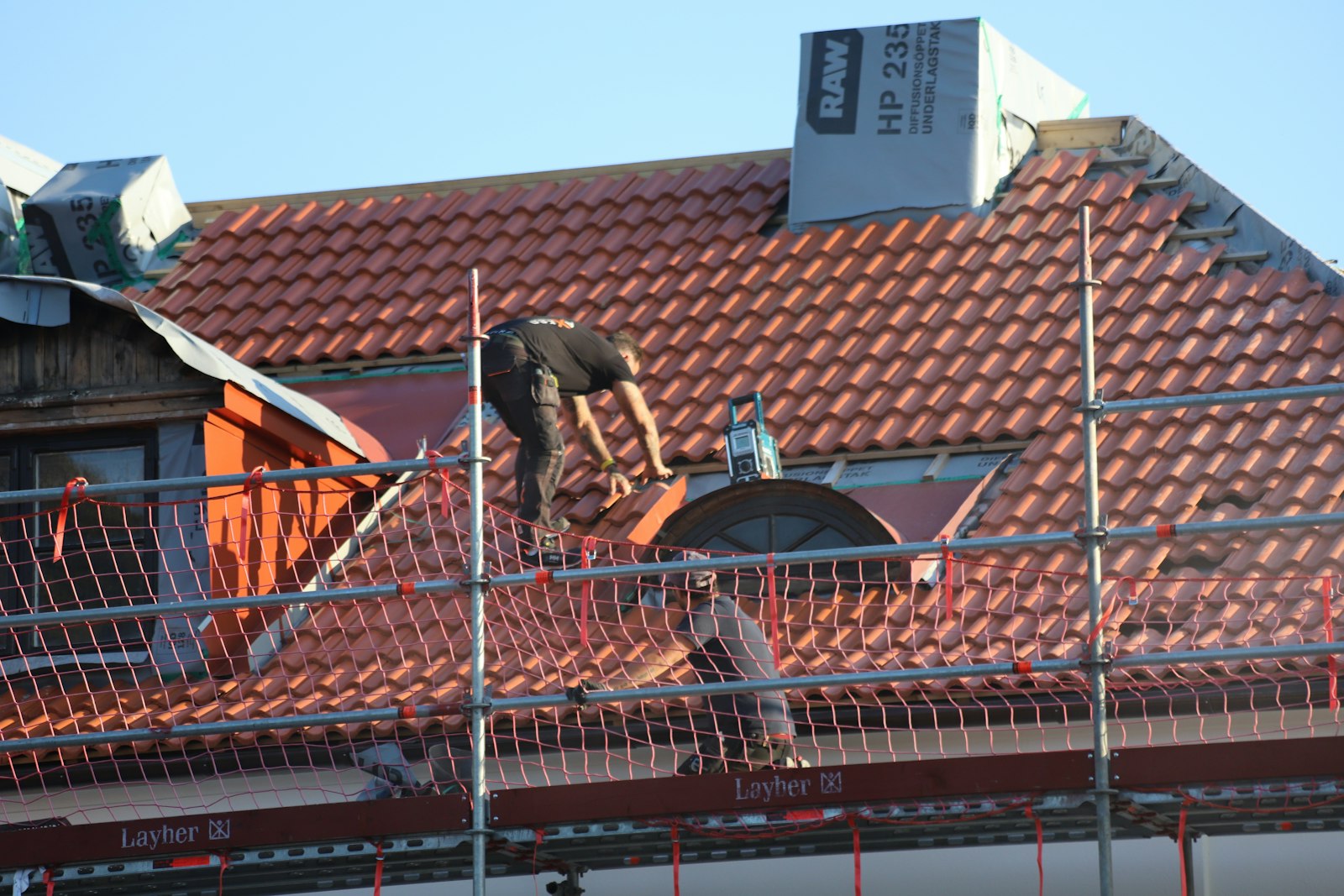
You are not going to out-knock the door knockers, so storm damage marketing for roofers has to win on something else. A crew of canvassers can cover a subdivision in a day, and if that is the fight you pick, you lose it. Pick the other fight, which is trust, and it is one you win without breaking a sweat.
Homeowners are already nervous after a storm. They have heard the stories about out-of-town crews that take a deposit and disappear. What you have that a storm chaser does not: a local address, a phone number that has been the same for years, reviews from people in the same zip code, license and insurance you can produce on the spot, and photos of roofs on streets they recognize.
Put that contrast into your storm damage marketing for roofers instead of leaving it implied. Ad copy and landing page copy that names how long you have worked the area, and makes the point that you will still be here when a warranty question comes up, does more than any discount could. When a homeowner is holding a card from a stranger and looking at your ad on their phone, that difference is the whole decision.
Move 6: Work the List You Already Have
Your customer list is the fastest lead source you have after a storm, and it is the one part of storm damage marketing for roofers that costs nothing to run. Every past customer, every estimate that never closed, every inspection where the roof turned out fine, they all sit under the same weather you do.
Send a short text and email the day after a storm to everyone in the affected area. Not a sales pitch. Closer to: storm came through last night, if you want us to take a look at your roof, reply and we will get you on the schedule. Old estimates convert especially well, because a roof that was borderline last year is often clearly damaged now.
Ask for referrals in the same message. A homeowner who trusts you will hand your number to a neighbor standing in an identical yard full of shingles, and neighbor referrals close faster than anything a door knocker says. If your customer records are scattered across a phone, a notebook, and an email inbox, fixing that is the prerequisite, and it belongs on the off-season list too.
Move 7: Catch the Homeowners Who Are Waiting on an Adjuster
A large share of storm leads do not decide that week, which is where most storm damage marketing for roofers quietly falls apart. They file a claim, wait on an adjuster, and go quiet for a while. Roofers lose these jobs constantly, not because they got outsold, but because they stopped following up around day four.
Build a track for the slow ones. A check-in a few days out, another after a week, and a specific question about whether the adjuster has been out yet. That last question is useful because it tells you exactly where they are in the process and hands you a natural reason to call again.
Pair it with retargeting, the quietest piece of storm damage marketing for roofers, so your name keeps surfacing while they wait. Somebody who visited your storm page and never called is worth reaching on social for the next month or two, and a simple Meta Ads audience built from site visitors does it cheaply. By the time the claim settles, you want to be the roofer they have seen five times, not the one they half remember.
What to Do in the Months Between Storms
The quiet months are where storm damage marketing for roofers actually gets built. Reviews, rankings, ad account history, and page authority all take time you will not have once the weather turns.
Use them for the unglamorous half of storm damage marketing for roofers. Ask every customer for a review while the job is fresh. Keep your Google Business Profile posts current. Add pages for the towns you serve so you have something to rank when a storm hits one of them specifically. Run a small always-on search campaign so the ad account has conversion history to lean on when you scale it in a hurry.
None of that produces a dramatic week. All of it is the reason the storm week works, and it is why storm damage marketing for roofers is judged on what you did last quarter. If you want a sense of what the full picture looks like across a year, our roofing marketing services page lays out how the pieces fit together.
Frequently Asked Questions
How Soon After a Storm Should a Roofer Start Advertising?
Same day, ideally within a few hours of the weather clearing, because storm damage marketing for roofers has a very short window. Homeowners search from the driveway while the damage is right in front of them, and demand drops off fast after the first two or three days. That timing only works if the campaign was built ahead of time, which is why our Google Ads management work for roofers happens in the off-season.
Should I Build a Separate Page for Storm Damage or Use My Homepage?
Build a separate page and keep it live all year. Your homepage speaks to someone planning a replacement, while a storm visitor needs an inspection and a phone number, and mixing the two costs you calls. A dedicated page also builds indexing history that a page published the morning of a storm will never have. Getting that right is part of the website design work we do before storm season.
How Do I Compete With Out-of-Town Storm Chasers?
Compete on proof rather than on speed at the door, which is the one advantage storm damage marketing for roofers gives a local company. Local reviews, a permanent address, license and insurance details, and photos of jobs on nearby streets answer the exact worry a homeowner already has about a stranger with a clipboard. Building that review base is slow work that pays off in a single week, which is why we treat it as ongoing SEO for service businesses instead of a storm-week task.
Does Google Ads Work for Storm Damage Roofing?
Yes, and it is usually the strongest channel in the first 72 hours of storm damage marketing for roofers because the searches are urgent and specific. The catch is that a cold account ramps slowly, so a campaign built and paused ahead of time behaves very differently from one launched the morning of the storm. For a wider look at paid channels, see our post on Google Ads vs Meta Ads for local businesses.
What Should My Storm Damage Ads Say About Insurance?
Say that you work with insurance claims and that you will document the damage, then stop. Never promise coverage, an approval, or that a homeowner will owe nothing, because you do not control the adjuster and those claims create real problems. Straightforward language about the process converts fine and keeps your ads and the rest of your roofing marketing out of trouble.
Get Your Roofing Company Ready Before the Next Storm
HelixEdge handles storm damage marketing for roofers the boring way: the storm page, the paused campaign, the review flow, and the answering system all built during the months when the phone is slow, so the week after a storm is a scheduling problem instead of a scramble. If you would rather not spend the next storm building marketing while your competitors are on ladders, tell us what your season looks like and we will show you what to have ready.